This was taken with my Coronado PST solar scope from Inverness, Scotland over 8 hours of sunshine. It repeats a couple of times at different speeds so you can watch the action.
Painting by Birds – First Results
Dave’s AstroTour Software – First Results
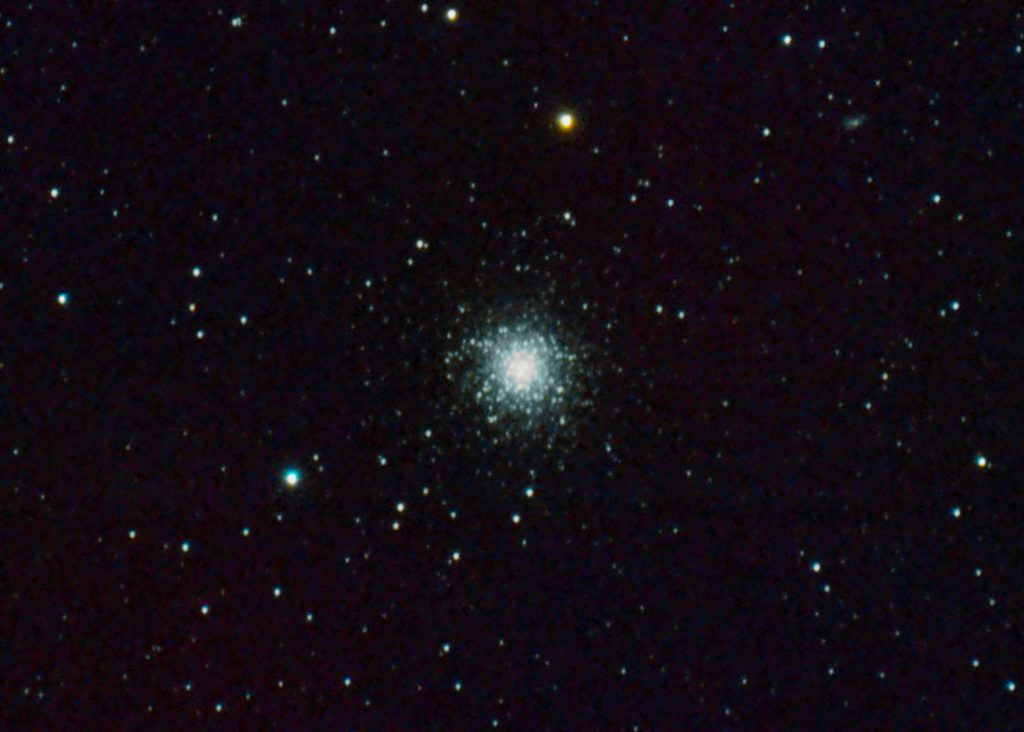
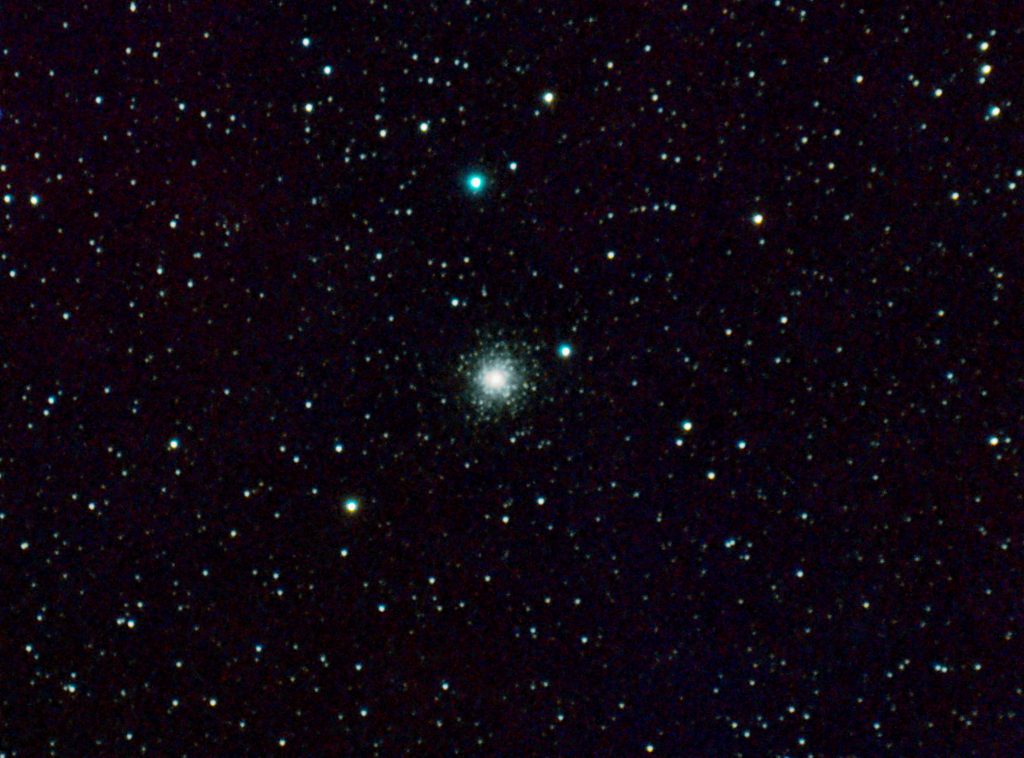
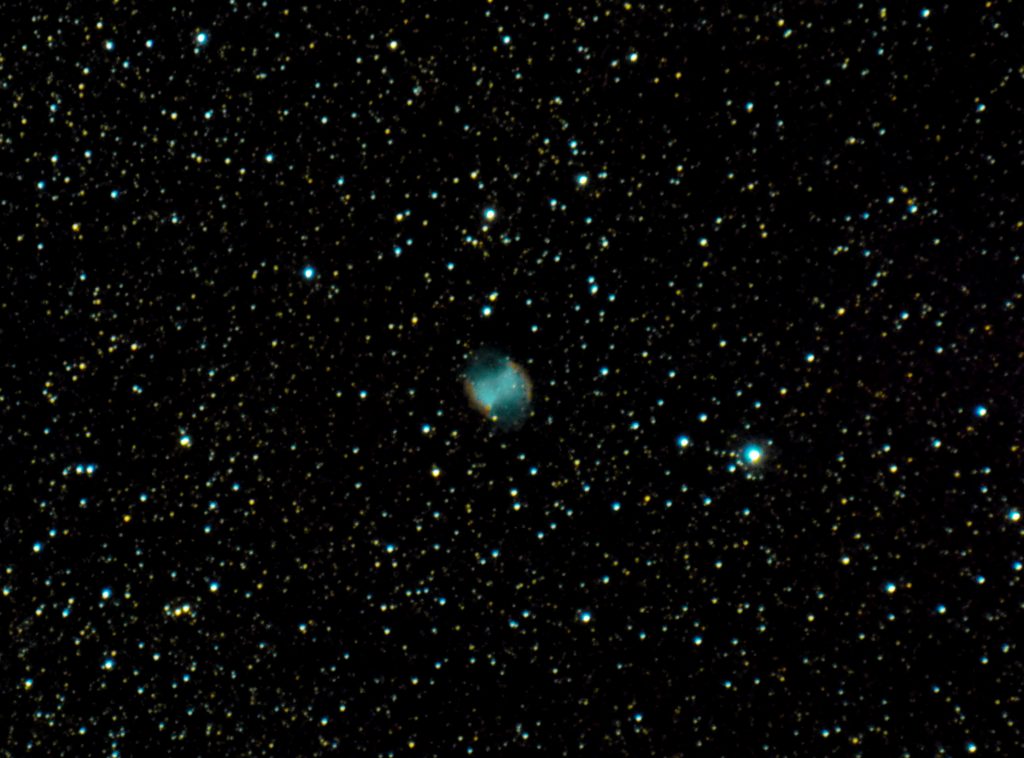
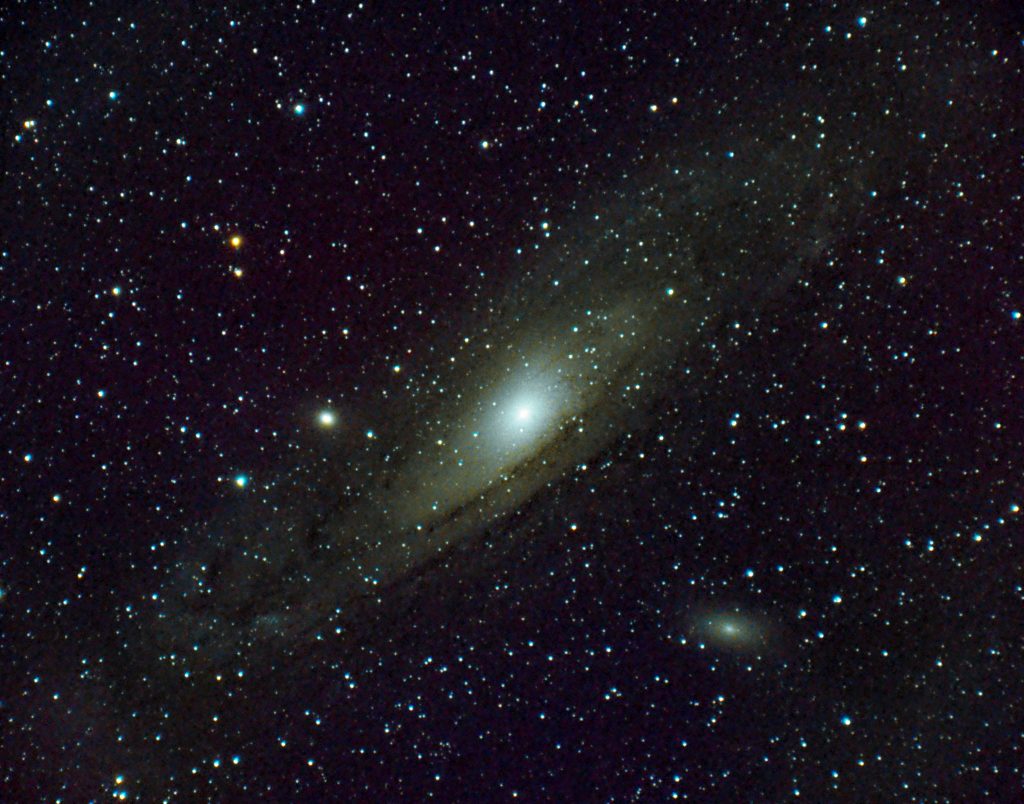
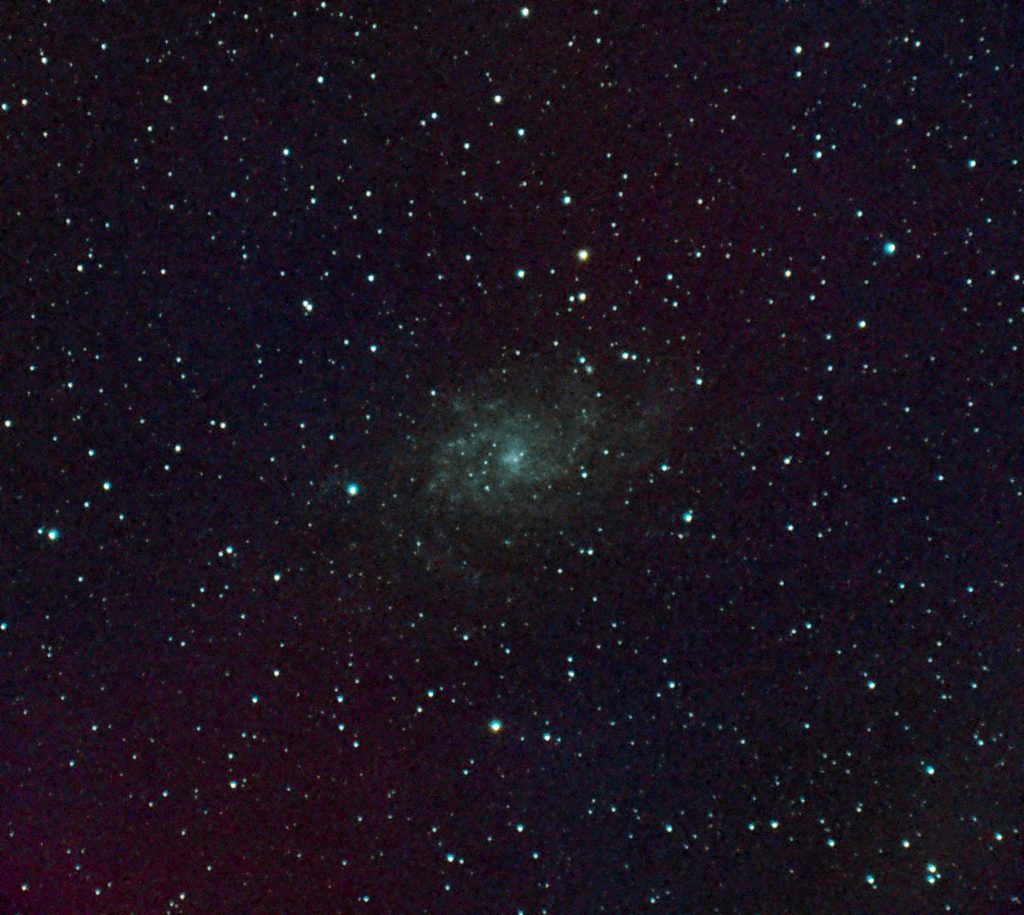
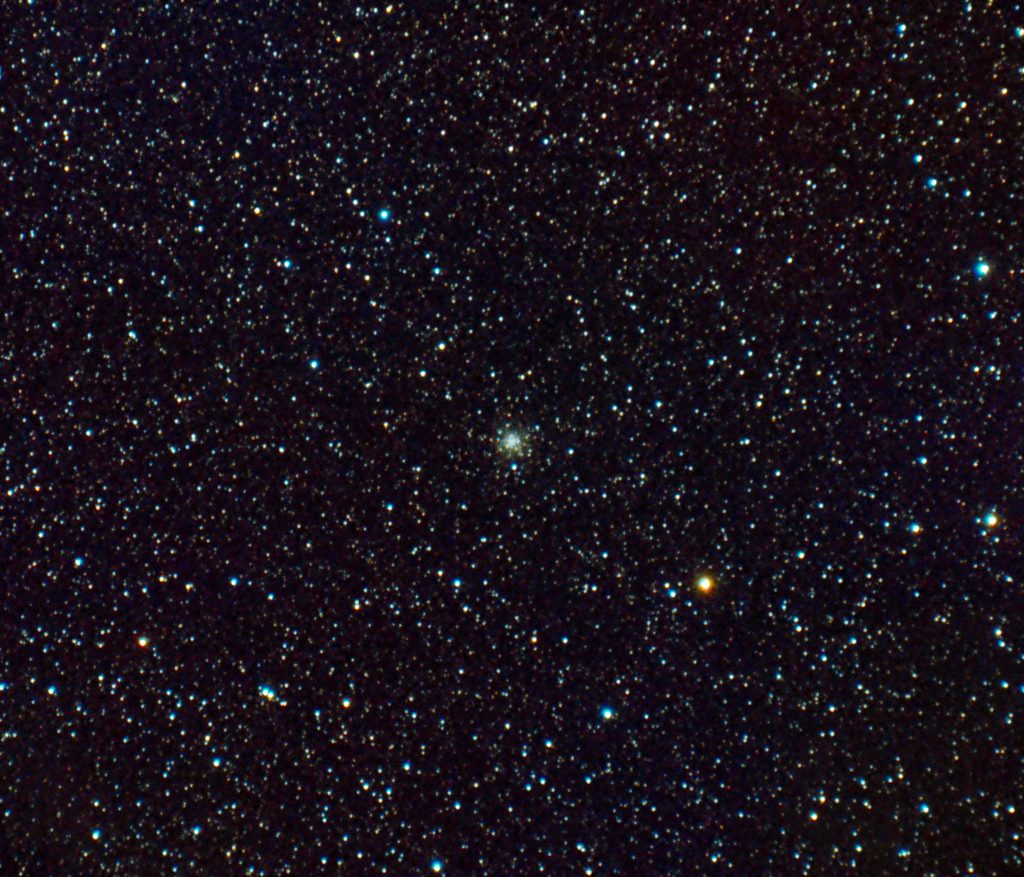
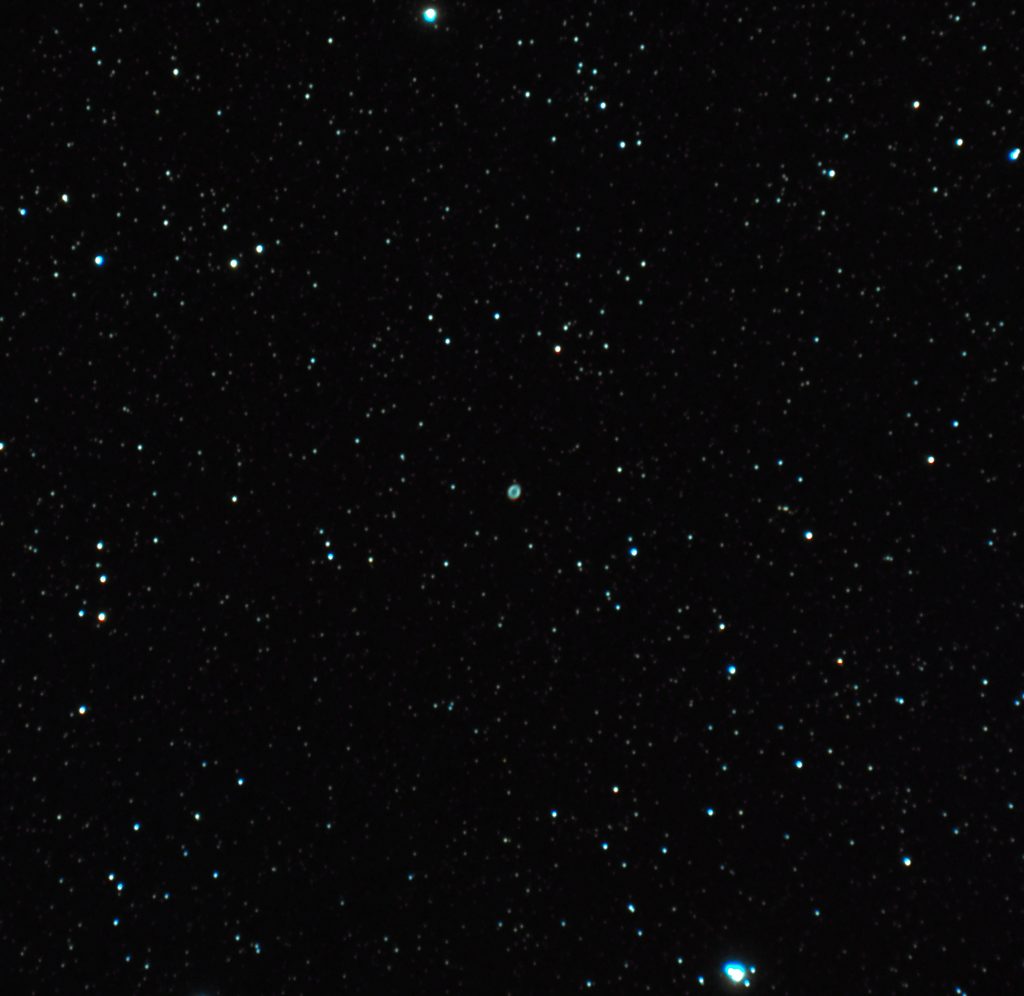
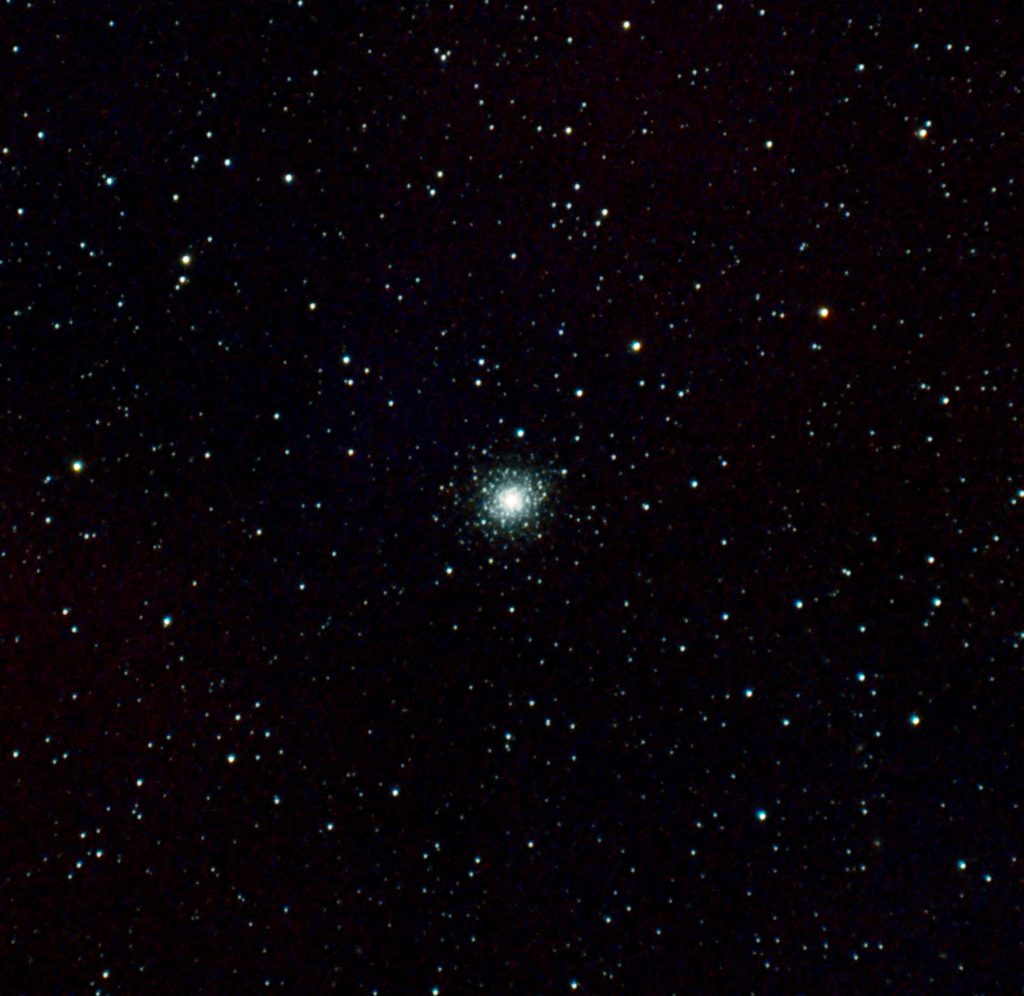
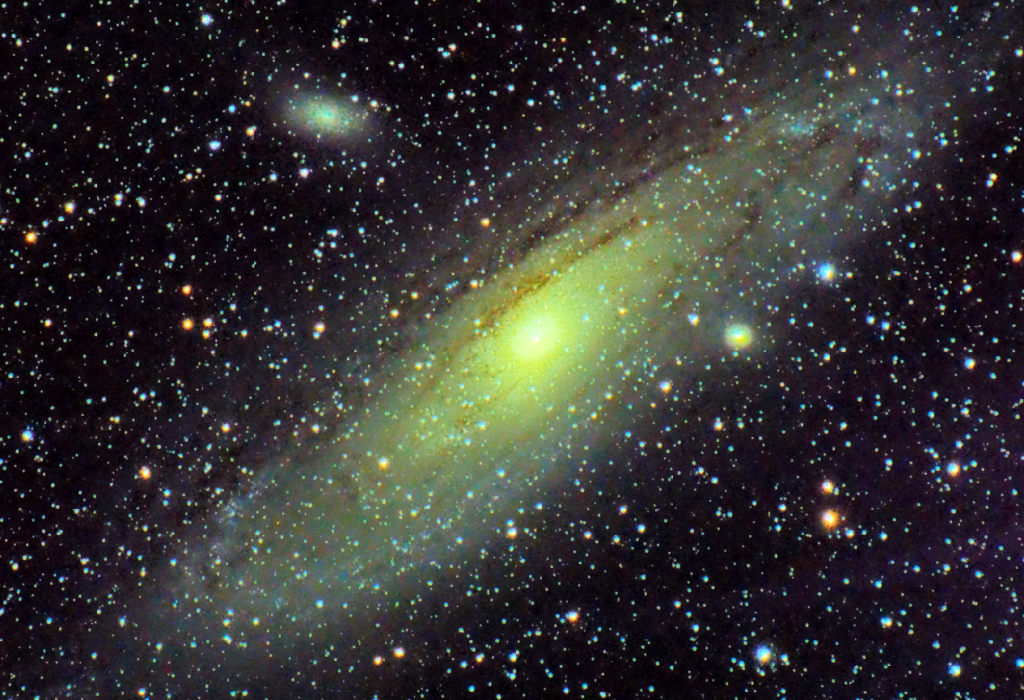
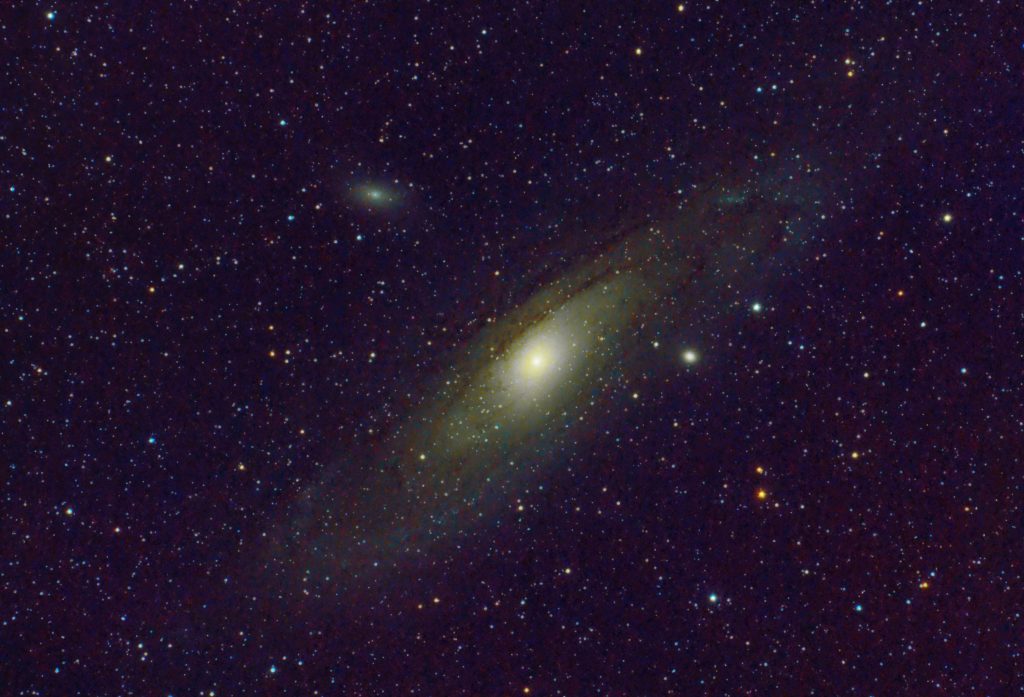
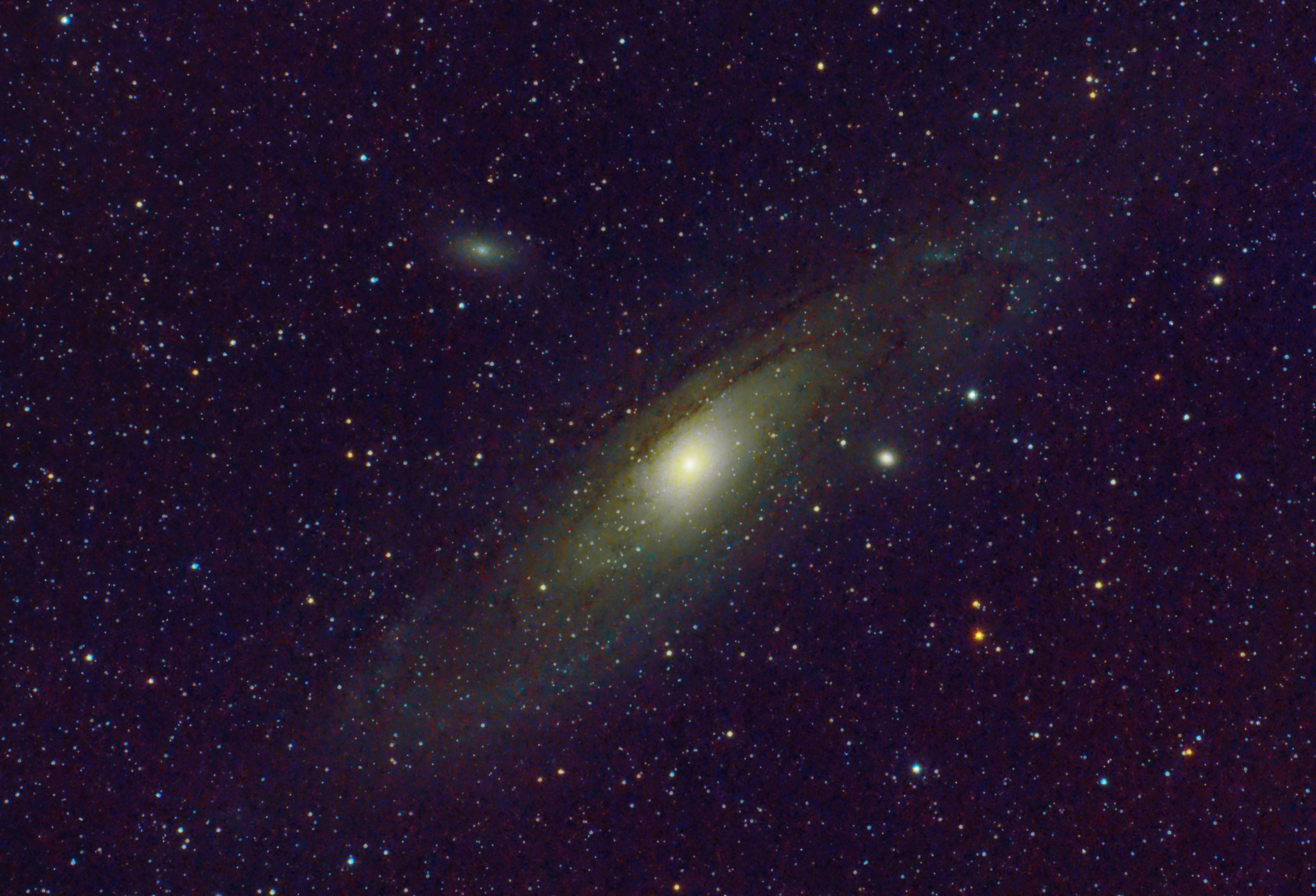
I have been working on a new app that will automatically take astro images overnight and below are some early results. All taken with a Canon 1100D and Sigma 70-300mm lens, stacked in Deep Sky Stacker and processed in StarTools.
AstroTour interfaces with PHD2 autoguider (including dithering), All Sky Plate Solver for accurate targeting and digiCamControl for capture. digiCamControl allows a wide range of Canon and Nikon DSLRs to be controlled as well as some Sony and other cameras.
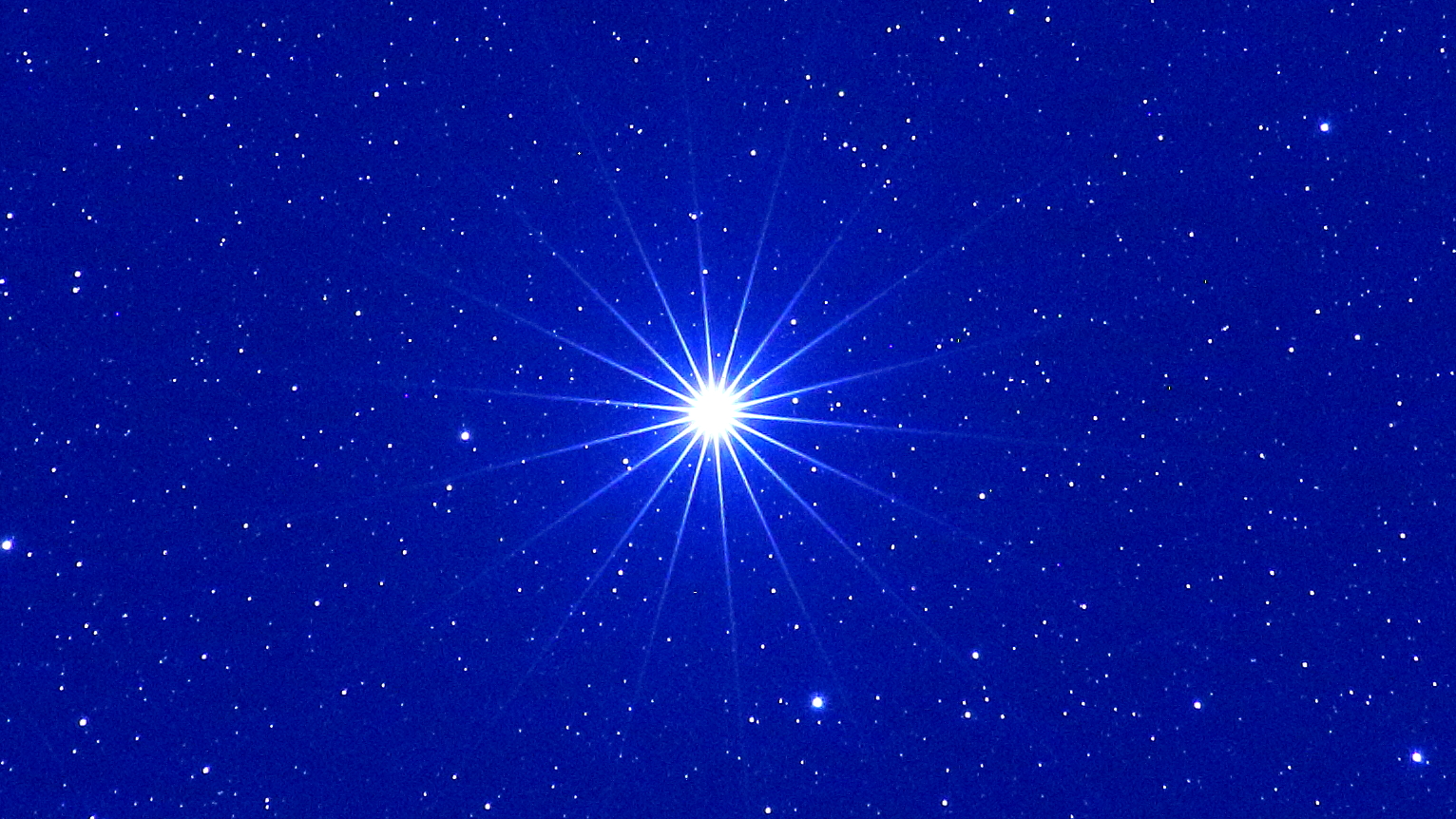
Twinkle, Twinkle
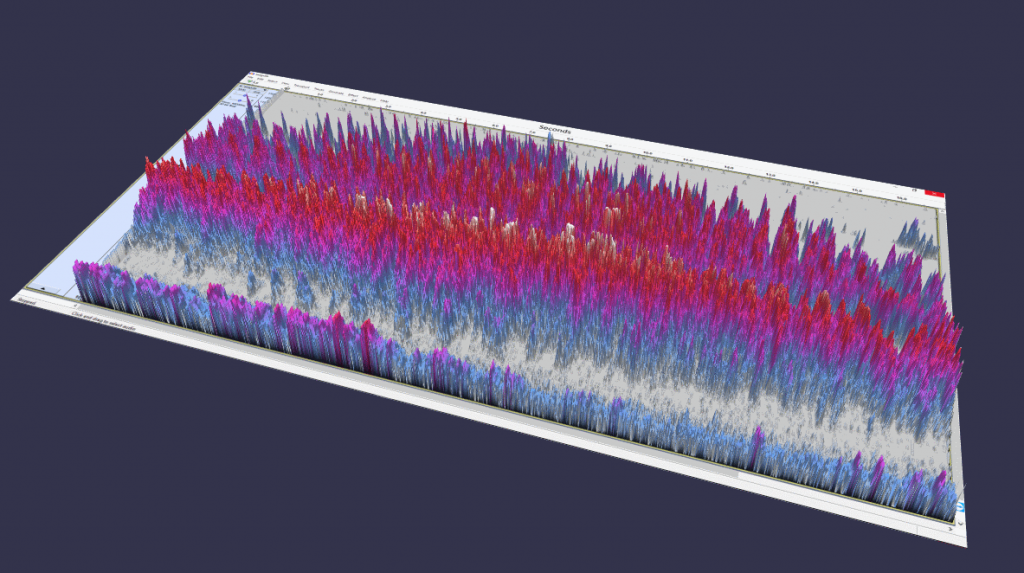
Another 3D spectrogram of gulls but this time taken with my £20 Adokey voice recorder.
Click on the image or here to view the interactive 3D version. Zoom with your mouse wheel and click-drag to rotate.
3D Spectrogram Tutorial
This tutorial shows you how to easily make interactive 3D Spectrogams like this using Audacity. The source files are zipped up here which includes the “spectrogram.html” file you will need for your own spectrogram.
The 3D graphics are powered by the Babylon.js framework which does all the hard stuff for you.
1. Select Your Audio:- Choose the audio you want to display, optimise it and save it to “original.wav”.
2. Grab Audacity Screenshots:- Load “original.wav” and show its color spectrogram. Hide all toolbars and zoom in to fill track with audio information. Use Audacity>Help>Tools>Screenshot Tools to take a color screenshot. Change spectrogram to monochrome and take another screenshot.
3D Birdsong
I have been experimenting with processing birdsong in the Audacity sound editor. This is a very powerful and free program which is great for recording and cleaning up audio and inspecting its frequency spectrum. I used the Audacity spectrogram to generate a 3D model that you can view in your browser.
Click on the image below to view the 3D spectrogram. Zoom in with your mouse wheel and click-drag to rotate the view. The robin sings once at 1x speed and then again at half speed so you can follow the detail.
BTW, this was recorded on my £15 Logitech C270 webcam feeding in to Audacity. I set Audacity up to record automatically at 4am and stop at 8am.
Horsehead by Remote Control
Above is a trial I shot of the Horsehead Nebula using iTelescope.net which has a range of high spec remote controlled telescopes across the world. I bought 20 imaging points using their starter plan which was made up to 60 points as a new member. I then booked 45 minutes on their telescope #24 which is a 0.61 metre reflector in California. I shot 300s each of Ha, R,G,B, O and S and combined the HaRGB in Krita.
This shooting plan took 47 of my points which I think is really good value for using a scope I could never hope to own.
Note that the image is pretty noisy because I did not have enough images to stack and reduce the noise. I will be taking more shots soon and will post the results here.
When Galaxies Collide
I made this simulation a few years ago in my StarryOrbits gravity laboratory app. It uses a simplified model of the galaxies with the core stars in red or blue and the halo stars in yellow or green. Newton’s laws of motion are then used to predict what will happen in the future. The simulation repeats a few times so you can watch it properly. What is interesting is that the 2 galaxy cores stay mostly intact even after they have passed thru each other a few times. It is actually better to watch it in StarryOrbits because it has a 3D viewer that lets you rotate, pan and zoom while the animation is playing. Great to have a couple of galaxies on your PC to play with.
Unfortunately, changes to Java security policy means I can no longer distribute the original StarryOrbits. However, I am looking at rewriting it to take advantage of modern multicore CPUs and GPUs.
M42 Guided by DSSR
Here is my latest M42 captured with my Canon 1100D thru my Nexstar 4SE at prime. I used an old 3″ Mak to guide but found the usual star guiding apps could not lock on the stars. I then switched on DSSR and used it to guide right thru the 3 hour session. Stacked in SkippyStak and processed in StarTools.